

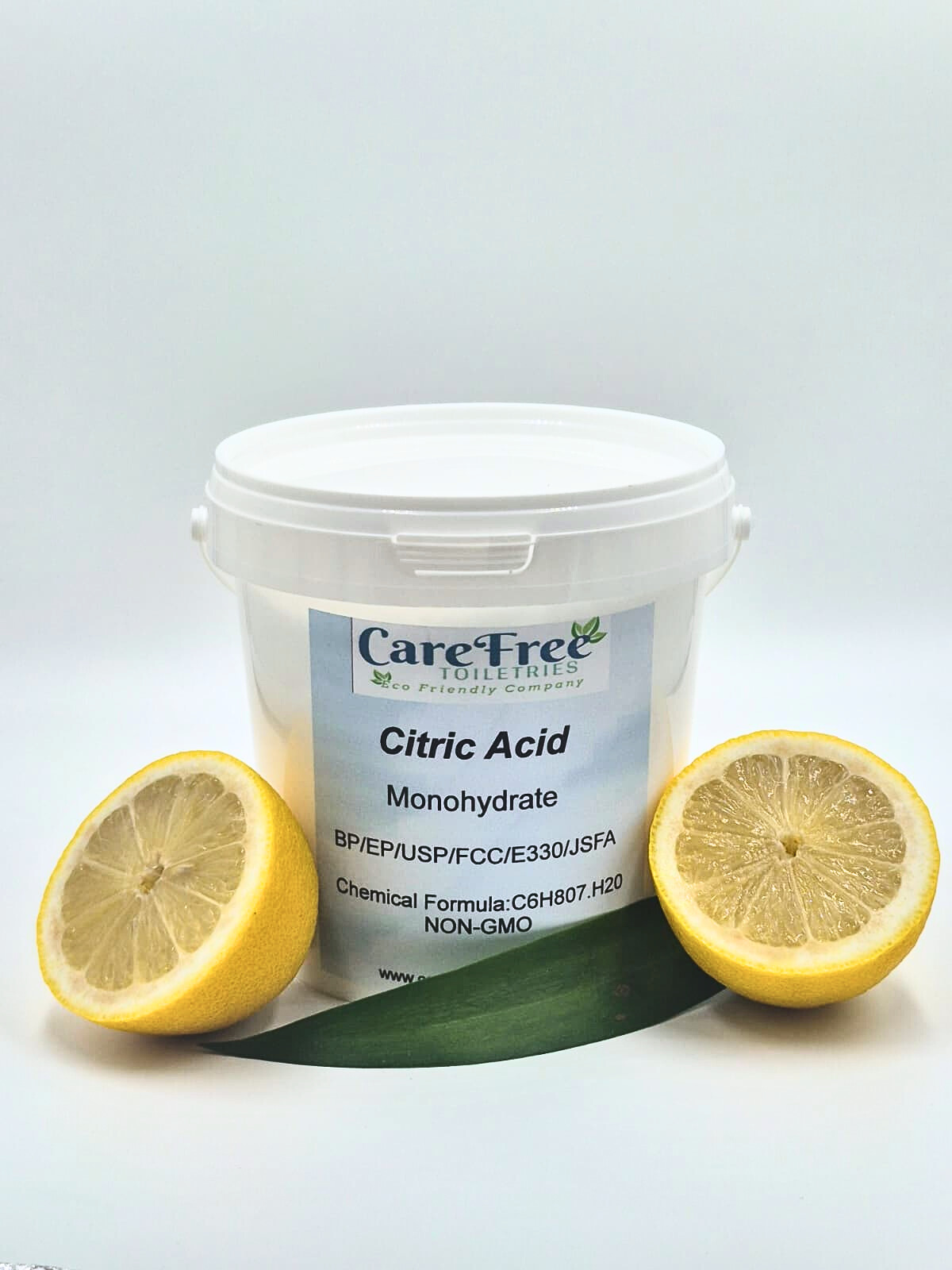
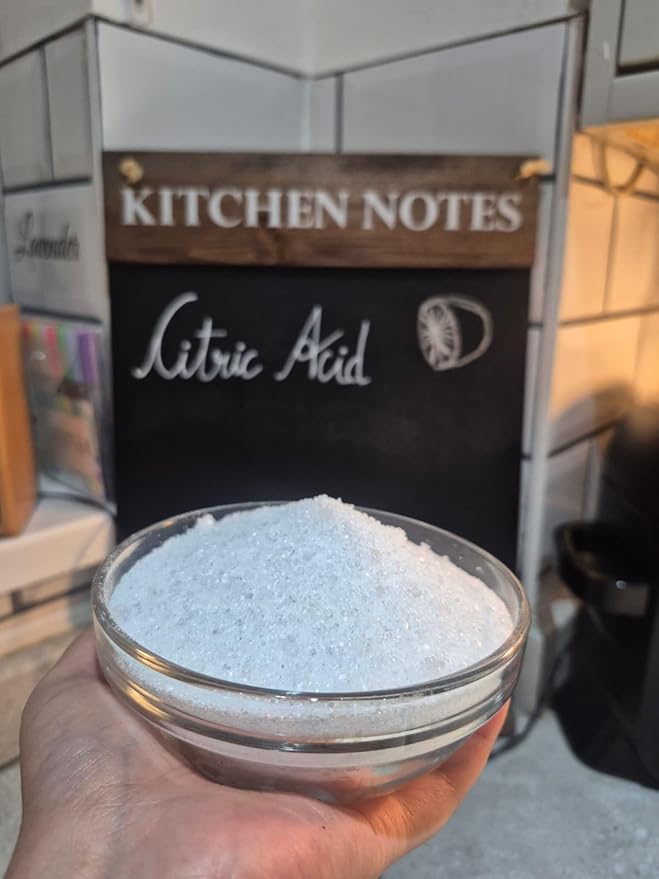

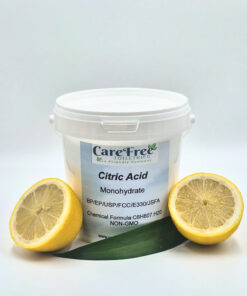
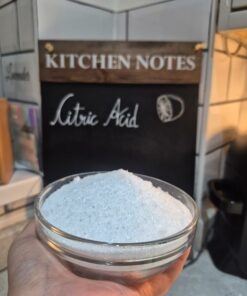

Citric Acid Pharmaceutical Grade
Top seller - 11 sold!
Original price was: £9.99.£7.99Current price is: £7.99.
What Is Citric Acid?
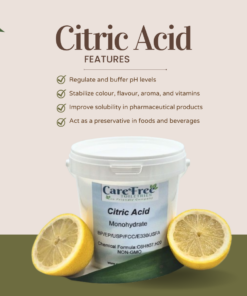
Citric acid is a natural, weak organic acid found abundantly in citrus fruits and many other plants. It is valued for its sharp, tangy taste, its ability to preserve foods, and its function as a pH buffer. Because of these properties, citric acid is one of the most widely used organic acidulants across multiple industries. It is commonly used to:
-
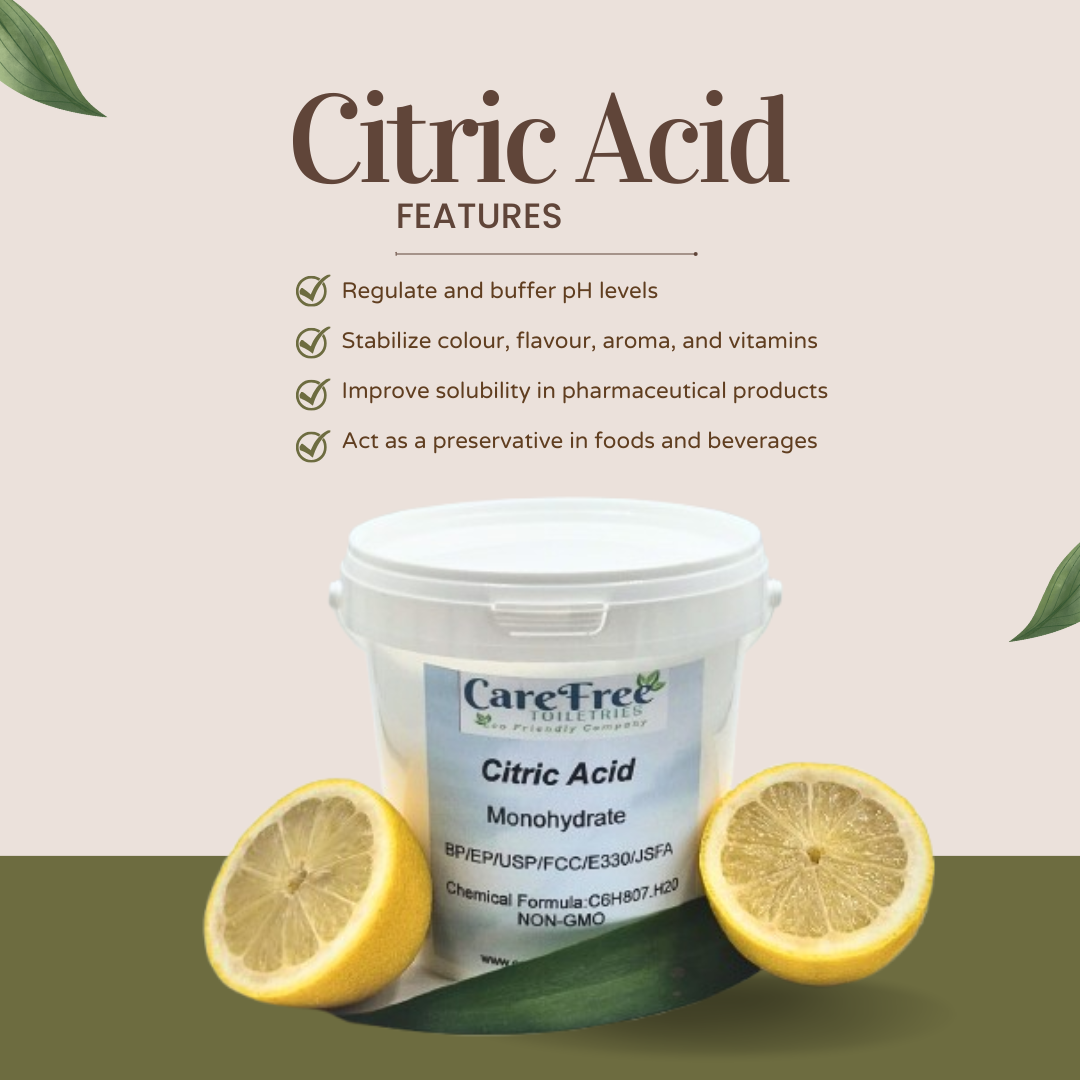
Regulate and buffer pH levels
-
Stabilize colour, flavour, aroma, and vitamins
-
Act as a preservative in foods and beverages
-
Improve solubility in pharmaceutical products
-
Chelate metal ions to prevent unwanted reactions
-
Serve as a non-corrosive descaling agent in cleaning applications
Popular Uses of Citric Acid
Bath Bombs • Ceramic Tiles • Coffee Makers • Descaling • Dishwashers • Irons • Kettles • Limescale Removal • Machine Cleaning • Shower Heads • Sinks • Sterilisers • Taps
Food & Drink: Beer • Elderflower Cordial • Elderflower Wine • Home Brew • Lemonade • Preservative • Sherbet • Soft Drinks • Wine
Application Instructions
Sterilisers:
Descale every 4 weeks. Use 1 cup dissolved in 150–200 ml of water. Remove all items from the unit, add the citric-acid solution, and run for 2–3 minutes.
Kettles:
Half-fill the kettle and bring to a boil. Add (10–20 g) of citric acid and let the solution sit for about 30 minutes. Reboil and discard the water. Boil again with fresh water, empty it, and the kettle is ready for use.
Bath Bombs:
A basic bath bomb recipe uses 2 parts sodium bicarbonate to 1 part citric acid, combined with just enough moisture to allow the mixture to hold together similar to packing fresh snow. Additional ingredients like almond oil or shea butter may be added.
Other Appliances:
Suitable for coffee makers, humidifiers, bottle warmers, sinks, showers, taps, and tiled surfaces. Always check your appliance manual for specific guidance.
Uses of Citric Acid in Food
-
Flavor Enhancer:
Nearly half of global citric-acid production goes into beverages such as soft drinks, teas, and juices. It adds a crisp, tart note and balances sweetness. -
Preservative:
The acidic pH inhibits bacterial growth, making citric acid a common preservative in jams, jellies, candies, canned foods, and certain meats. -
Dry-Form Acidulant:
Because it is available as a powder, it is used in seasoning mixes, powdered flavorings, and snack coatings as a dry alternative to lemon juice or vinegar. -
Cheese & Brewing:
Citric acid helps create an acidic environment needed in cheese-making (e.g., mozzarella) and is used to adjust pH when brewing wine or beer. -
Dietary Supplement:
Some vitamins and minerals require an acidic environment for proper absorption, so citric acid is added to supplements to support bioavailability.
Ingredients
100% Pure Citric Acid (Buffered pH Level) — Premium Quality
How to Use
For cleaning, citric acid should always be dissolved in water. Concentration varies by task, but a common descaling solution uses:
100 g citric acid per 1 liter of water.
What Is Citric Acid?
Citric acid is a natural, weak organic acid found abundantly in citrus fruits and many other plants. It is valued for its sharp, tangy taste, its ability to preserve foods, and its function as a pH buffer. Because of these properties, citric acid is one of the most widely used organic acidulants across multiple industries. It is commonly used to:
-
Regulate and buffer pH levels
-
Stabilize colour, flavour, aroma, and vitamins
-
Act as a preservative in foods and beverages
-
Improve solubility in pharmaceutical products
-
Chelate metal ions to prevent unwanted reactions
-
Serve as a non-corrosive descaling agent in cleaning applications
Popular Uses of Citric Acid
Bath Bombs • Ceramic Tiles • Coffee Makers • Descaling • Dishwashers • Irons • Kettles • Limescale Removal • Machine Cleaning • Shower Heads • Sinks • Sterilisers • Taps
Food & Drink: Beer • Elderflower Cordial • Elderflower Wine • Home Brew • Lemonade • Preservative • Sherbet • Soft Drinks • Wine
Application Instructions
Sterilisers:
Descale every 4 weeks. Use 1 cup dissolved in 150–200 ml of water. Remove all items from the unit, add the citric-acid solution, and run for 2–3 minutes.
Kettles:
Half-fill the kettle and bring to a boil. Add (10–20 g) of citric acid and let the solution sit for about 30 minutes. Reboil and discard the water. Boil again with fresh water, empty it, and the kettle is ready for use.
Bath Bombs:
A basic bath bomb recipe uses 2 parts sodium bicarbonate to 1 part citric acid, combined with just enough moisture to allow the mixture to hold together similar to packing fresh snow. Additional ingredients like almond oil or shea butter may be added.
Other Appliances:
Suitable for coffee makers, humidifiers, bottle warmers, sinks, showers, taps, and tiled surfaces. Always check your appliance manual for specific guidance.
Uses of Citric Acid in Food
-
Flavor Enhancer:
Nearly half of global citric-acid production goes into beverages such as soft drinks, teas, and juices. It adds a crisp, tart note and balances sweetness. -
Preservative:
The acidic pH inhibits bacterial growth, making citric acid a common preservative in jams, jellies, candies, canned foods, and certain meats. -
Dry-Form Acidulant:
Because it is available as a powder, it is used in seasoning mixes, powdered flavorings, and snack coatings as a dry alternative to lemon juice or vinegar. -
Cheese & Brewing:
Citric acid helps create an acidic environment needed in cheese-making (e.g., mozzarella) and is used to adjust pH when brewing wine or beer. -
Dietary Supplement:
Some vitamins and minerals require an acidic environment for proper absorption, so citric acid is added to supplements to support bioavailability.
Ingredients
100% Pure Citric Acid (Buffered pH Level) — Premium Quality
How to Use
For cleaning, citric acid should always be dissolved in water. Concentration varies by task, but a common descaling solution uses:
100 g citric acid per 1 liter of water.
Be the first to review “Citric Acid Pharmaceutical Grade”
Related products


Top seller - 30 sold!
£15.99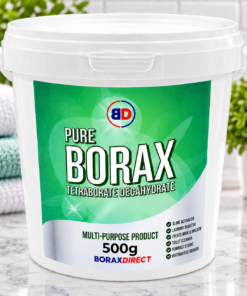
Top seller - 1690 sold!
£12.95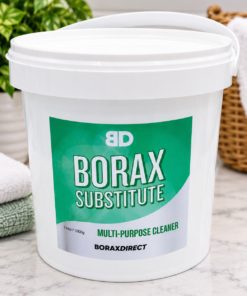
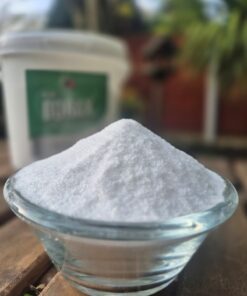
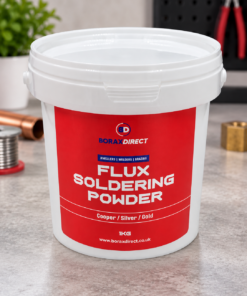

Top seller - 151 sold!
£59.00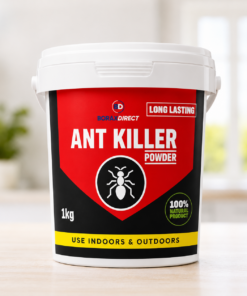
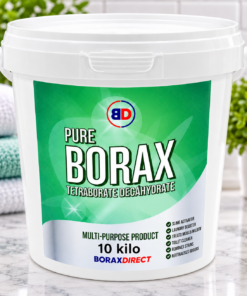
Borax
ANT KILLER Wasp Nest Crawling & Flying Insect Pest Control Killer For Indoor & Outdoor Use 1kg/1000g
Top seller - 232 sold!
£15.50
Reviews
There are no reviews yet.